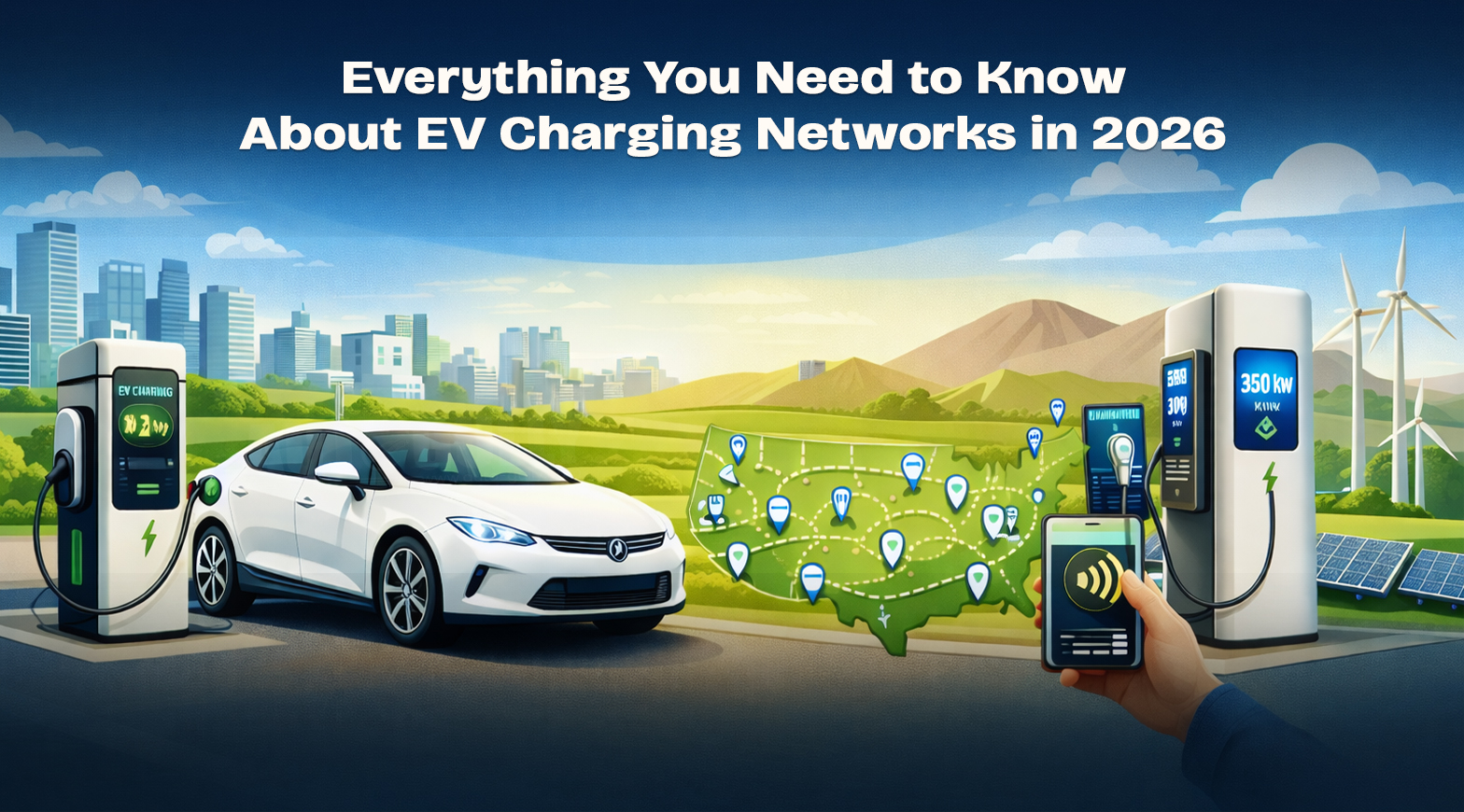
India’s electric vehicle ecosystem is changing day by day. EV adoption has been on a high; the government has been pushing the electrification, consumers are raising demands for quicker and better charging solutions, making a strong, public EV charging network highly relevant. Business owners, investors, car buyers or everyone in India now want to know how this change will come and what the EV charging network in 2026.
If you are looking to buy the EV in 2026 and are not sure about the charging infrastructure in India, then in this blog, we will explore the current EV Charging in India and also the future AC and DC charging solutions.
What to Expect with EV Charging Technology
As we are ready for the future of EV charging stations, there are several key technological advancements you can anticipate.
ISO 15118 Update – Universal Plug-and-Charge
Perhaps the biggest development in EV charging technology is universal plug charging enabled by ISO 15118. This international standard takes the hassle out of EV charging in India and enabling vehicles to automatically handle charging and billing processes without cumbersome logins via RFID cards or other forms of verification. You can just plug in, and the system identifies the vehicle and performs the payment in a smooth way. This aims to add more convenience but also more security through a two-layer authentication scheme.
ISO 15118 also makes bidirectional charging possible, where electric cars in India can release energy back to the grid or into other devices for better optimization in energy use and to help support grid resilience. As these technologies continue to get adopted, they will become the norm and EV charging is expected to become even quicker, easier, and more available.
Vehicle-to-Grid & Vehicle-to-Building
Future EV technology will eventually enable vehicles to not only draw power but also provide the power. Vehicle-to-Grid technology will allow the EVs to feed electricity back to the grid during peak periods of demand, which is expected to stabilize energy distribution. Since electric vehicles range are more with large batteries, they are capable of storing surplus energy and releasing it into the grid to create a smart solution in case of an energy shortage or high demand for energy. In fact, even the owners of such electric vehicles can earn some money by selling stored energy.
On a smaller scale, Vehicle-to-Building technology will allow EVs to power buildings directly, backing up energy during outages or reducing the grid supply. As of now, both technologies are on paper and might be tested in 2026.
Innovations in Battery Technology – EV Cars India Review
As EVs continue to be the future of automobiles in India and around the world, battery technology is at the heart of these very changes. The advances in battery design and functionality are vital to achieving better performance and energy efficiency while tackling the persistent concerns of shorter charging times and range anxiety. Two recent innovations in this field involve wireless induction charging and EV batteries capable of self-heating.
Wireless Charging
Wireless charging technology is a path to seamless and convenient EV charging. Inductive charging makes use of electromagnetic fields to transfer energy from a charging pad to the vehicle’s battery without necessarily depending on traditional cables. Charging pads can be installed on city streets, parking lots, or even on highways to make charging more accessible and versatile. A collaboration between Purdue University and the Indiana Department of Transportation is already testing wireless charging systems that allow vehicles to charge even while in motion, potentially eliminating the need for frequent stops.
Self-Heating EV Batteries
Indian weather can be extreme and colder climates can significantly impact the performance of EVs. For example, low temperatures can reduce a vehicle’s driving range by up to 25%. As such, self-heating batteries are emerging cam ne game-changer. These advanced lithium-ion batteries can heat up and cool down extremely fast, allowing for faster charging times while improving range.
Capable of adding up to 300 miles of range in just 10 minutes, self-heating batteries could solve one of the biggest barriers to EV adoption-charging time, also prolonging the life and reliability of the battery itself. These innovations bring us closer to a future where EVs are more practical, efficient, and user-friendly.
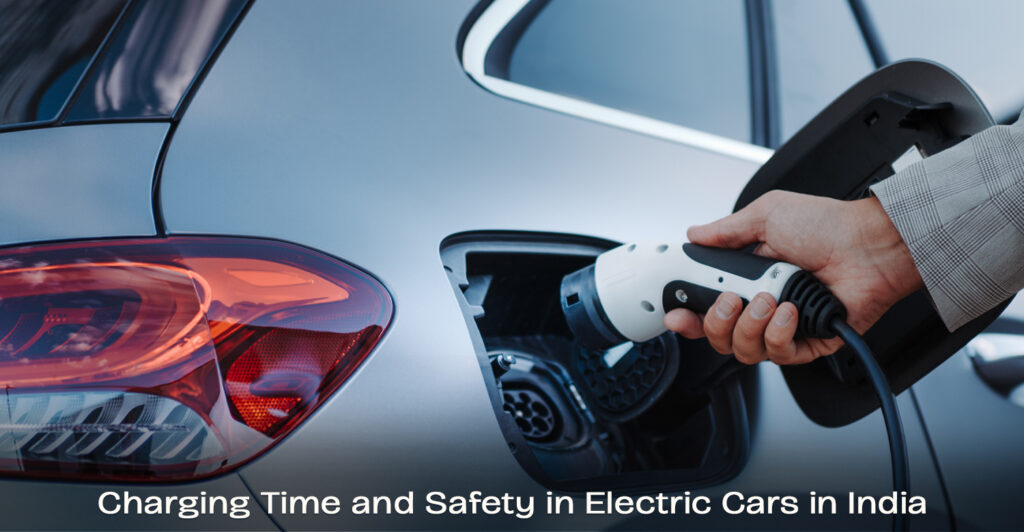
Charging Time and Safety in Electric Cars in India
First, regarding the charging of an EV, the time required depends on the type of charger you use. Fast chargers would normally charge completely in about 1-2 hours, whereas home chargers might take about 8 to 10 hours, which is perfect for overnight charging.
Now, when it comes to safety, newer EVs have multiple layers of protection. Charging systems have built-in safety features that help in the monitoring of temperature, protection against short circuits and also have the automatic shut-off to prevent overcharging. The process of manufacturing also follows strict standards that need to be kept in mind to ensure that EVs are at par with high parameters of safety, so charging and driving can be done safely.
Auto Gully Comments
The EV charging network is expected to have major changes in 2026. As more electric vehicles hit the road, an even stronger, more pervasive, and accessible charging network will be required. The government of India has also started making plans to make it mandatory for every fuel station in the country to install at least one charging point for an EV, which is likely to result in an exponential growth of public charging infrastructure. This will make charging as easy as refueling and decrease range anxiety which will support the EV ecosystem.
Simultaneously, technological innovations in the form of wireless charging and more rapid battery solutions will smooth end-user experiences, making EVs even more practical for daily use. By 2026, we can foresee a time when EV charging will be a more reachable feature. As these trends take hold, we will have a world where efficient, quick, and available charging will be sustainable
Frequently Asked Questions
1. Should I buy an EV in India in 2026?
With the increase in Global fuel prices, the government’s support in providing incentives, and greater infrastructure related to charging stations, and by considering electric cars in India, came out as the more sensible option.
2. Does India have adequate EV charging stations?
EV charging infrastructure in India is still developing, but it’s gradually growing. More and more charging stations can be found in major cities, and with the government’s push to have an EV point at every fuel station, things are only getting better.
3. Which are the top electric cars in India under 20 lakhs?
The Tata Nexon EV is one of the top runners. It offers great value, a solid range, and is equipped with advanced features at a reasonable price. Another great alternative within this segment is the MG ZS EV.
4. Which is the best luxury EV in India?
In the case of luxury, it is the Mercedes EQC that is leading the way with its premium build, great range and modern Mercedes features. Audi e-Tron is another on top that offers almost similar performance with a luxury touch.
5. How long does it take to charge an EV in India?
It depends on the type of charger or the EV you have. Fast chargers take only 1-2 hours, while a standard home charger can take up to 8-10 hours. Charging time will get even better as technology continues to evolve.