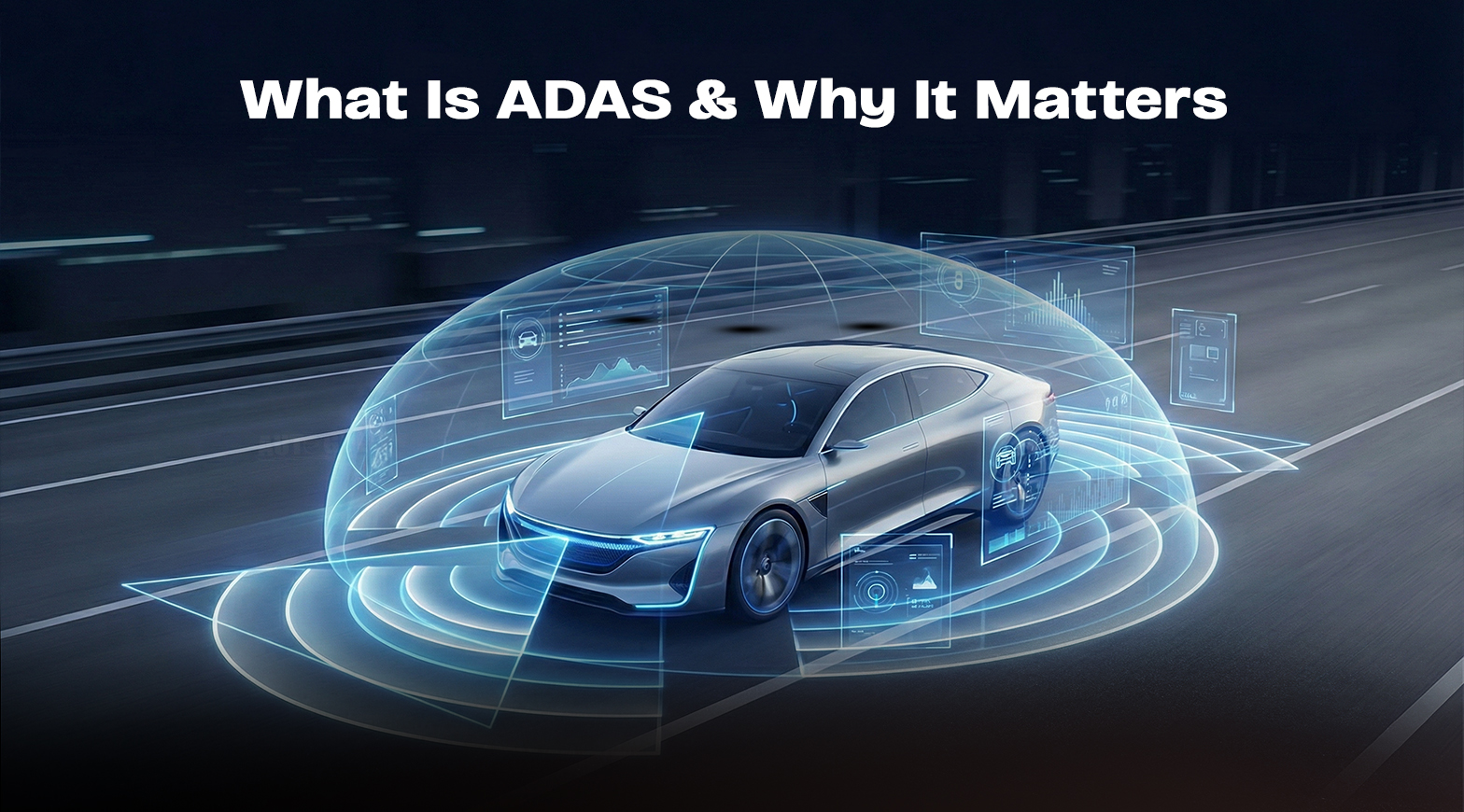
Road safety has evolved over the past century, from road lights to seat belts and now the technology is working in silence to save lives on roads. In India, cars like the Mahindra XUV700 and MG Astor have brought these systems within the reach of regular buyers and use the cameras, sensors and smart algorithms that react much faster than any human.
The ADAS technology is an extra layer of awareness that never gets tired, never gets distracted and never blinks. In a country where road conditions can change in a heartbeat, these intelligent features have the power to reduce mistakes and make daily driving genuinely safer.
How Does ADAS Work?
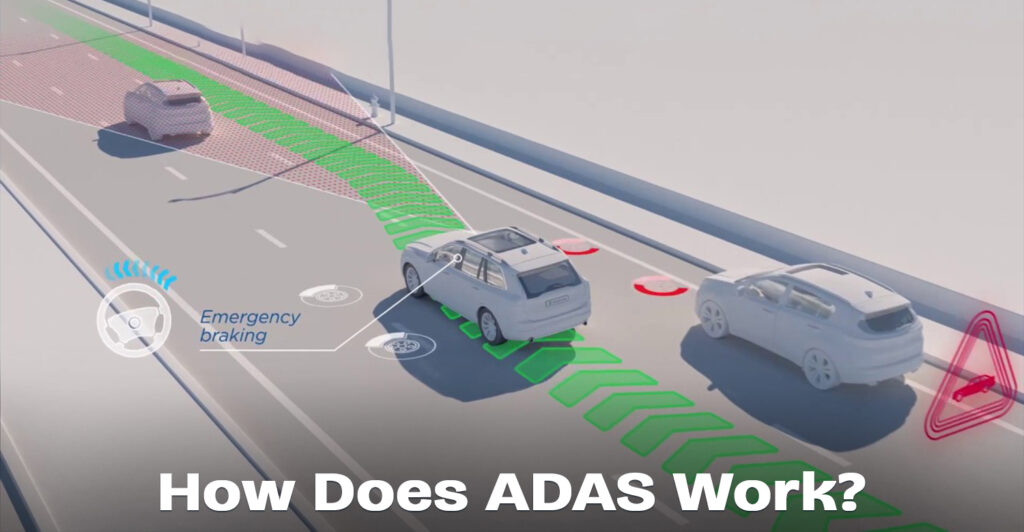
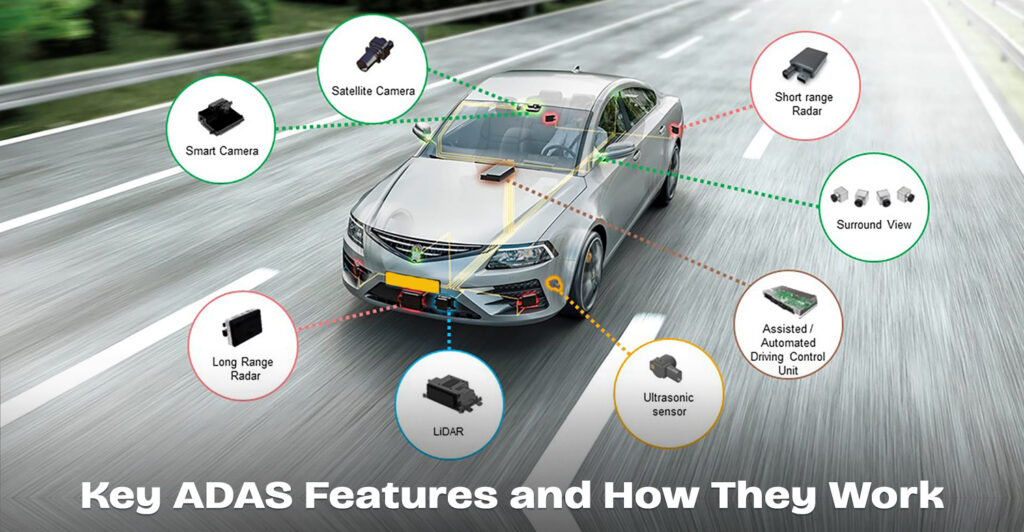
The ADAS looks like a complex solution, but actually, it is a very simple network of smart components that work in tandem so that your car “sees” and reacts way before the driver does. Modern vehicles make use of special computer chips, systems on a chip, which take input information from cameras, radars and other sensors placed around the car.
These sensors feed constant data into high-speed control units, which then decide whether to warn the driver, adjust speed, or even apply the brakes. This setup provides the car with a wide, nearly unobstructed view of all surroundings near and far. For the nonstop stream of information, manufacturers use only advanced, efficient hardware capable of quickly delivering that information without a wasteful drain on power or adding bulk.
Key ADAS Features and How They Work
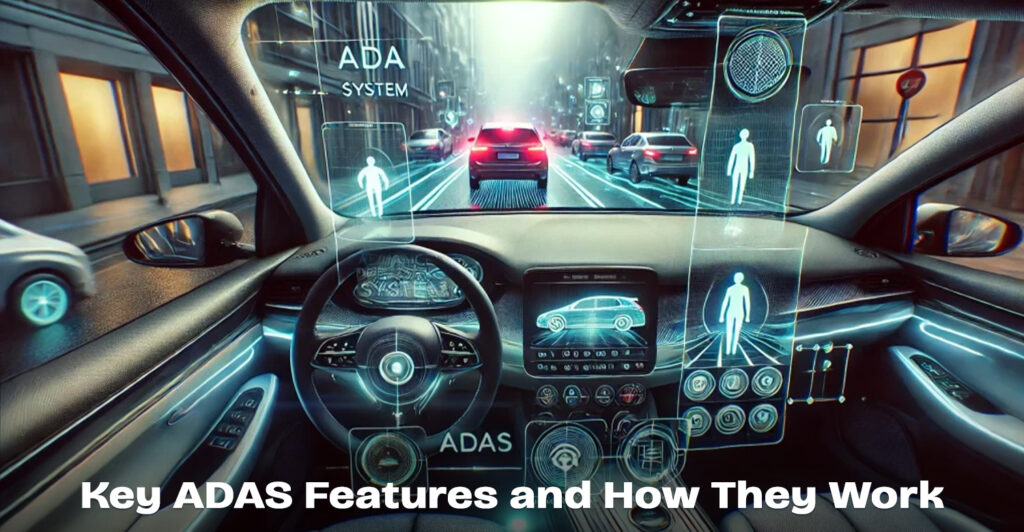
ADAS is not a single technology system, but rather a package of smart features designed to alert, assist and even take control when needed. You can consider it like a co-pilot that never gets distracted, which has several features.
- Advanced Warning Features
These features helped the driver of potential hazards before they became serious. The system uses chimes, visual alerts, or both to direct your attention.
Forward Collision Warning: This will warn you when the car in front slows down unexpectedly.
Lane Keep Assist: Warns when you unintentionally drift out of your lane.
Blind Spot Warning: This feature warns the driver about the presence of other vehicles in one’s blind spot.
- Features of Interventions
In case of ignorance of warnings or imminent danger, ADAS will step in to prevent accidents.
Auto Emergency Braking: The ADAS applies brakes automatically when a collision appears imminent.
Lane Keep Assist/Lane Departure Prevention: Nudges the steering to keep the car in its lane.
Adaptive Cruise Control: The system maintains speed and distance automatically, adjusting even from 0 kmph when the traffic moves.
- Comfort Features
Beyond the safety, it also adds a lot of convenience to the daily driver.
High Beam Assist: automatically adjusts high beams to avoid blinding oncoming vehicles.
Traffic Sign Detection: Recognizes the speed limits and other important signs; adjusts the speed accordingly.
Lane Change Assist: Upon tapping the indicator, it assists in changing lanes safely, making sure the adjacent lane is clear.
Fundamentally, ADAS features never replace the driver; they just improve awareness, avoid mistakes and decrease stress, especially in heavy traffic or on long drives. In essence, this means a second pair of eyes, a steady hand and an intelligent helper, all combined to make modern cars much safer and easier to use on Indian roads.
The Future of ADAS – Self-Driving Cars
As with any other technology, the car safety features will also redefine the driving experience, turning cars are much safer and also more intelligent and responsive. While today’s systems are impressive, they still depend on a raft of ECUs distributed throughout the vehicle. Current thinking is moving toward integrated ADAS domain controllers, consolidating these functions into a single, more efficient system. This decreases complexity, reduces cost and enhances reliability while speeding development cycles.
Today, most vehicles come with ADAS Level 2; that means the vehicle can manage either steering and acceleration or braking under certain conditions, but still requires an attentive human driver ready to intervene. The next step will be fully autonomous cars, capable of sensing and reacting to their environment and even less human input would be required.
Efficiency and compact design will be the focal points of ADAS technology systems in the future and use more advanced semiconductor technologies to realize high computing loads without notable power consumption. These centralized systems enable simplification in vehicle electronics while unlocking new possibilities for safety, comfort, and autonomous driving to make dreams of self-driving cars increasingly attainable on Indian roads.
Auto Gully Remark – Challenges Faced by ADAS in India
ADAS cars in India promise safer and smarter experiences, but implementing them in India comes with unique hurdles. The biggest challenge is related to the condition of the road infrastructure: most local streets lack markings indicating lanes, smooth surfaces, or proper signage, all of which limit ADAS effectiveness. For now, these systems function much better on expressways and well-maintained highways where sensors and cameras can reliably interpret the surroundings.
Another related problem is data scarcity. ADAS, after all, learns and improves from our real-time data. Therefore, since only a handful of equipped cars on Indian roads, the system has limited exposure to local driving patterns and traffic behavior, not to mention unpredictable elements such as sudden animals crossing. Gradually, when more vehicles start collecting the data, ADAS will also get better at handling such scenarios.
FAQs
1. Does Mahindra have cars featuring ADAS Level 2?
Yes, Mahindra’s newly launched SUVs like XUV700, XUV 3XO come with ADAS, which means the car will be able to handle steering, acceleration and braking in specific situations.
2. What is the difference between ADAS Level 1 and Level 2?
The Level 1 systems provide either steering or acceleration/braking, but not both in concert. ADAS Level 2 combines steering with speed control, enabling the car to drive itself on the highway; however, it still needs human intervention.
3. Why should I consider buying a car with ADAS features?
It’s more than a tech gimmick; ADAS seriously enhances the safety. Features such as auto-braking, lane-keeping and adaptive cruise control can help save lives and make long drives or city commutes way less tiring.
4. Does ADAS function well on Indian roads?
Currently, ADAS functions optimally on highways and those roads that are well-marked. On local streets with poor lane markings or unexpected obstacles like stray animals, its effectiveness is limited. But as more data is collected and infrastructure improves.